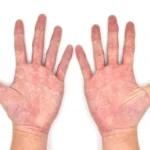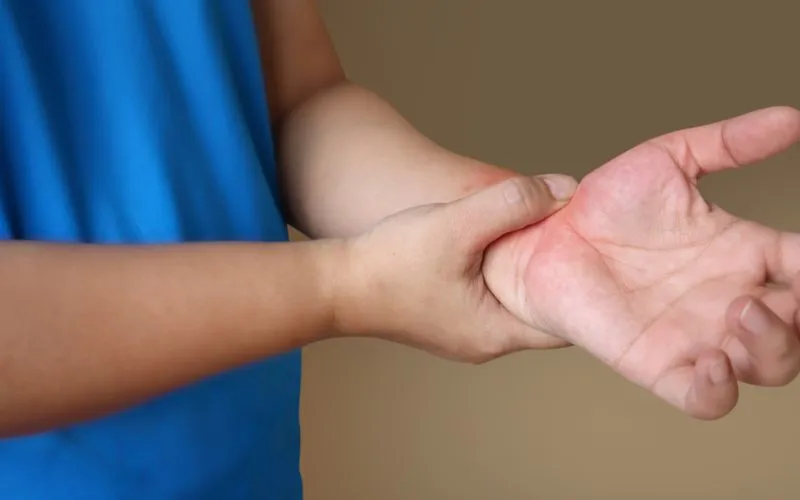
Skin is a vital sensory organ. It allows us to feel hot, cold, pain, and pressure. It also helps us to maintain our body temperature and to protect us from injury. However, sometimes the skin can become sensitive to touch, causing a condition called skin paresthesia. Various factors, including nerve damage, infection, inflammation, and medications, can cause paresthesia. It can be temporary or chronic.
Temporary Paresthesia
Temporary paresthesia is a condition that occurs due to compression on a limb that goes away when the compression is released. This senses a feeling of “pins and needles.” For example: Sitting for long periods with crossed legs can result in temporary paresthesia.
Chronic Paresthesia
Chronic paresthesia is a severe condition of paresthesia that is caused by any underlying neurological disease or nerve damage. This can occur as a result of the following diseases.
- Stroke
- Encephalitis
- Multiple sclerosis
- Transverse myelitis
- Sciatica
- Neuropathy
- Cervical Radiculopathy
Symptoms of Skin Paresthesia
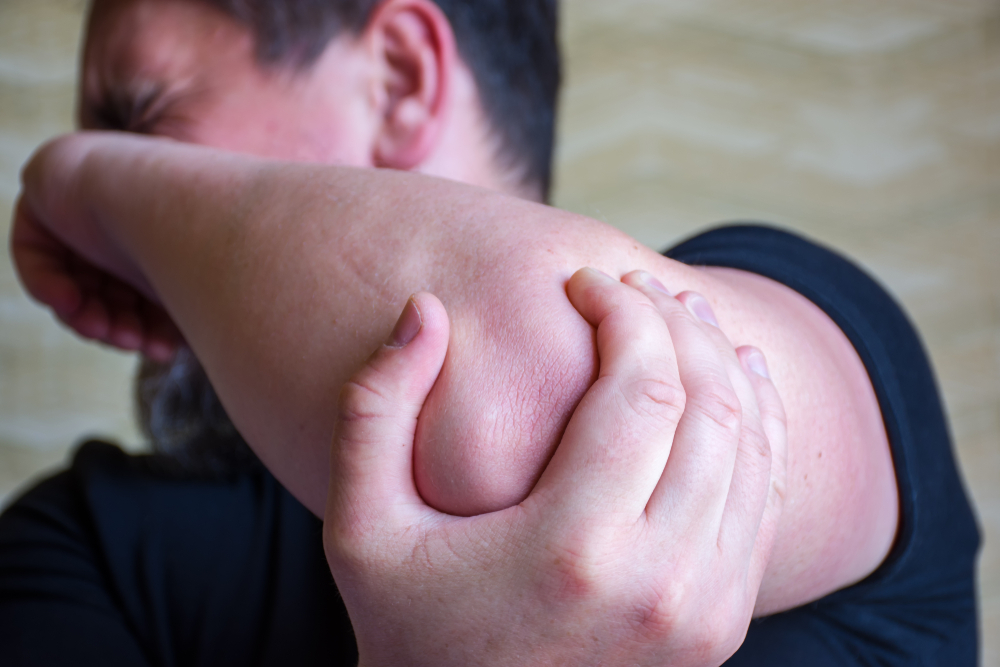
Symptoms of Skin Paresthesia
The most common symptom of skin paresthesia is a tingling or prickling sensation on the skin. This sensation can be mild or severe and may persist over time. Other symptoms include a burning sensation, numbness, and pain in the skin, such as the scalp, head, face, neck, hand, arm, back, and chest.
Causes of Skin Paresthesia
There are many possible causes of skin paresthesia, the sensation of tingling, prickling, or burning on the skin. Physical problems like nerve damage or disease or mental issues like anxiety or depression can cause it. The exact cause can be hard to pinpoint, but doctors can often narrow it down to one of these three categories.
- Nerve damage (Neuropathy)
- Other medical conditions
- Reaction of medicines
Nerve Damage
Nerve damage is a common cause of skin paresthesia. This can be due to an injury, surgery, or a disease that damages the nerves. When damaged nerves don’t work properly, they send abnormal signals to the brain. This can cause tingling, numbness, or burning sensations on the skin.
Paresthesia of the skin is a common symptom of nerve damage, affecting up to 40% of people with peripheral neuropathy.
Other medical conditions
Physical problems like arthritis or diabetes can also cause skin paresthesia. These conditions can damage the nerves or reduce blood flow to the extremities.
It is estimated that up to 20% of people with diabetes experience paresthesia of the skin.
Reactions of medicines
Some medications can cause paresthesia in some people. These can include certain types of chemotherapy, some antibiotics, medicines to treat HIV, and some treatments for seizures.
Risk factors of Paresthesia
Several factors increase your risk of getting skin paresthesia.
- Low levels of Vitamins, especially Vitamin B12
- Diabetes (Type 1 and type 2)
- Carpal Tunnel Syndrome
- Multiple Sclerosis
Diagnosis of Skin Paresthesia

Diagnosis of Skin Paresthesia
Your doctors may also be able to recommend tests that can detect what’s causing you paresthesia. These may include X-rays, blood tests, or magnetic resonance imaging (MRI) scans.
An MRI, or magnetic resonance imaging, utilizes powerful magnets and radio waves to make detailed pictures of certain parts of your body.
Treatment of Skin Paresthesia
Many skin care treatments may be feasible for removing skin paresthesia. Treatment for skin paresthesia includes medications, physical therapy, and lifestyle changes.
Over-the-counter solutions, for example, ibuprofen and aspirin, can reduce swelling and pain. General medicine-specific treatments, such as gabapentin or amitriptyline, might help you to deal with more severe cases. Home treatments, such as cold compresses or massages, may help to minimize symptoms.
Conclusion:
In conclusion, skin paresthesia is a sensation of itching, tingling, prickling, or burning on the skin without any external stimulus. Various conditions, including nerve damage, diabetes, and certain medications, can cause it. Treatment depends on the underlying cause. If you experience skin paresthesia, talk to your doctor to determine the cause and appropriate treatment.